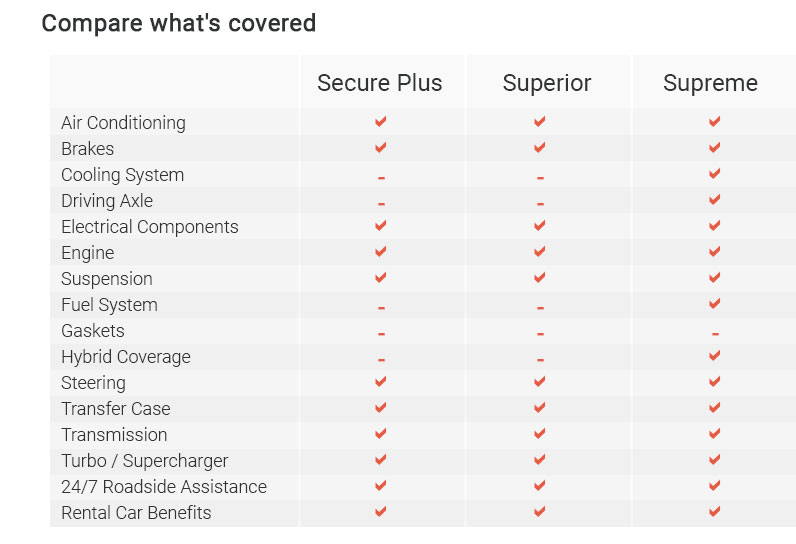
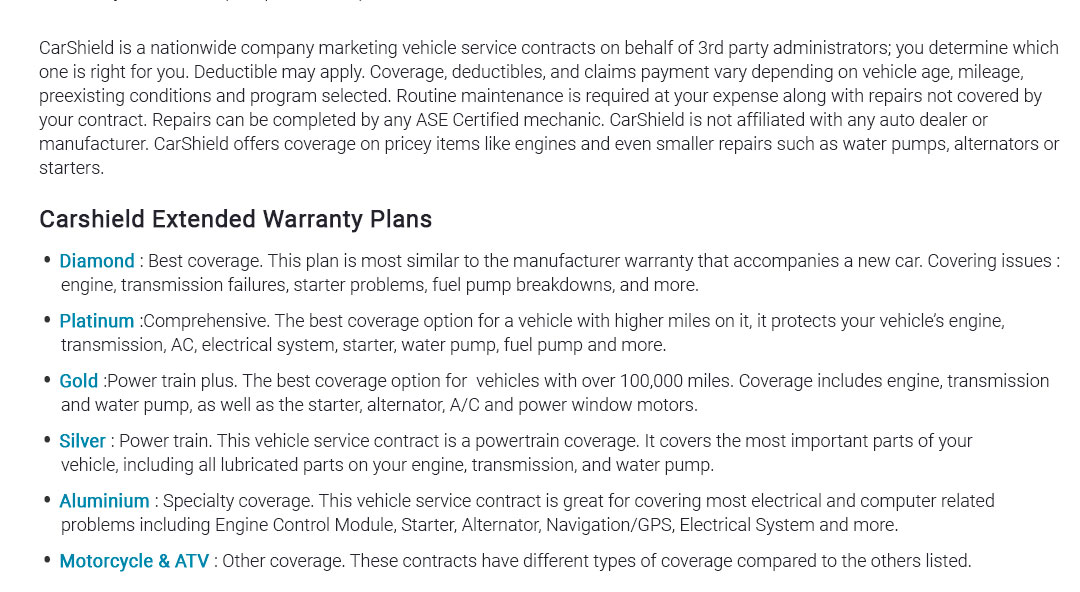
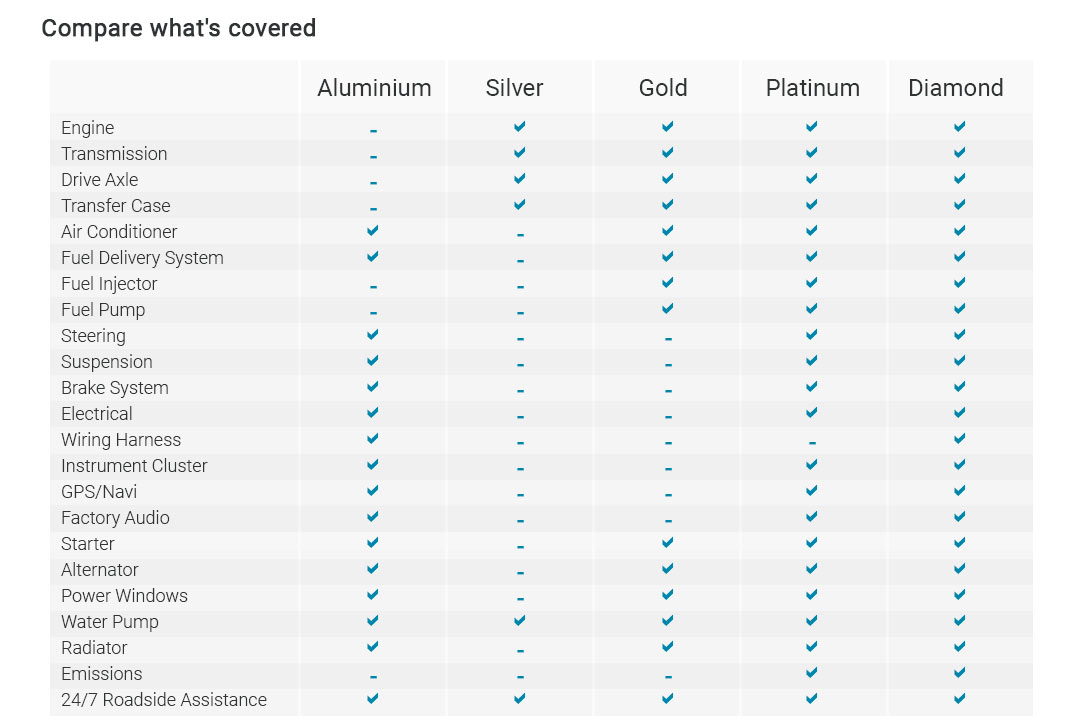
honda extended warranty coverage in plain languageWhat it is and why it mattersThink of honda extended warranty coverage as a service contract that keeps major repairs from wrecking your schedule and your budget after the factory warranty ends. It's about usability: predictable costs, fast repairs, and getting back on the road with minimal hassle. Core coverage areas- Powertrain: Engine, transmission, and drivetrain components. The expensive, heavy hitters.
- Electronics: Infotainment screens, navigation units, instrument clusters, and control modules that keep modern cars smart.
- Advanced safety: Sensors, cameras, radar units, and related control units for driver-assistance systems.
- Air conditioning and heating: Compressors, condensers, and climate control modules for comfort and defogging.
- Steering and suspension: Racks, pumps, and key parts that keep the ride tight and predictable.
- Fuel and cooling systems: Pumps, radiators, thermostats - small parts that can cause big headaches.
- Hybrid/electric components: Coverage varies, but many plans include motors, inverters, and related controllers beyond federal battery warranties.
What it usually doesn't cover- Wear items: Tires, brake pads, wiper blades, and clutches.
- Maintenance: Oil changes, filters, fluids, alignments.
- Damage: Accidents, misuse, racing, or poorly installed aftermarket mods.
- Neglect: Missed services or no proof of maintenance.
How it works day to dayI watched a neighbor pull into a dealership with a late-model Accord, dash lit up like a holiday tree. One call, a quick diagnosis, then a rental car appeared and the repair was authorized under the plan. She paid a small deductible, drove to her kid's tournament on time, and picked up the fixed car the next day. (A tiny skeptical aside: fine print exists - of course it does - but the result here was simple and stress-free.) Plan shapes and terms- Levels: From powertrain-only to near-bumper-to-bumper comprehensive plans.
- Term lengths: Often measured from the original in-service date, with options that can extend coverage for several years or many thousands of miles.
- Deductibles: Common choices range from $0 to a modest amount; lower deductible = higher plan cost.
- Roadside help: Towing, lockout, battery jump, and flat-tire help are frequently bundled.
- Rental and trip interruption: Daily rental reimbursements and travel expense coverage if you're far from home.
- Transferability: Some plans can transfer to the next owner, boosting resale appeal.
Costs and valuePrice varies by model, mileage, coverage level, and deductible. The value lives in outcome: one covered repair - say, a complex sensor array or transmission module - can offset the entire plan price, while your day stays largely uninterrupted. Eligibility and timing- Best window: Often before the basic warranty expires; pricing is usually better and coverage broader.
- Used vehicles: Many are eligible; an inspection and mileage limits may apply.
- Start date: Most plans count time and miles from the vehicle's original in-service date, not the day you buy the plan.
Usability highlights- Direct payment to dealers: Fewer reimbursement hoops; repairs move faster.
- OEM parts and certified techs: Fit, finish, and software updates handled correctly.
- Nationwide service: Road trips don't strand you without coverage.
- Clear claims path: Diagnosis, authorization, repair, done - less back-and-forth.
Fine print worth a slow read- Maintenance records: Keep them; lack of proof can stall a claim.
- Modifications: Performance tunes and non-approved accessories can complicate coverage.
- Commercial or rideshare use: Often excluded or requires a specific plan.
- State variations: Terms can differ; check your contract wording.
Who benefits most- Long-term keepers: If you plan to keep the car beyond the factory warranty.
- Tech-heavy models: Hybrids and vehicles with extensive driver-assistance suites.
- Mileage stackers: Sales reps, commuters, and frequent road-trippers.
- Budget planners: Those who prefer stable, predictable costs.
Quick decision guide- Estimate your annual miles and how long you'll keep the car.
- Match a coverage level to your risk tolerance and tech complexity.
- Pick a deductible that fits your cash-on-hand comfort.
- Verify exclusions and claim steps; confirm roadside and rental provisions.
- Compare plan length to your expected ownership horizon.
Bottom linehonda extended warranty coverage is ultimately about result: fewer surprises, smoother repairs, and more confident miles. If you value time saved and predictable expenses - especially with modern electronics and safety systems - it can be a practical tool rather than just another add-on.
https://www.joycehonda.com/honda-coverage
Plans and Eligibility Honda Certified Used Cars qualify for First Extended Additional Coverage, with plans covering up to 7 years/100,000 from the original in- ...

|
|